Gunung Leuser National Park – One of Southeast Asia’s Greatest Rainforests
7 December 2025 13x Blog

Gunung Leuser National Park is a vast protected area covering 7,927 square kilometers in northern Sumatra, Indonesia. The park stretches across Aceh Province (around three-quarters) and North Sumatra (around one-quarter), forming part of the rugged Barisan Mountain Range.
Named after Mount Leuser (3,119 meters), the park protects a remarkable range of ecosystems, from lowland rainforest and rivers to montane forests and high peaks. Together with Bukit Barisan Selatan National Park and Kerinci Seblat National Park, Gunung Leuser is recognized as a UNESCO World Heritage Site under the Tropical Rainforest Heritage of Sumatra.
Bukit Lawang and the Leuser Ecosystem
Bukit Lawang, located on the eastern edge of Gunung Leuser National Park, is the most popular gateway for visitors. It is internationally known for its orangutan sanctuary and ethical jungle trekking experiences.
This area is part of the wider Leuser Ecosystem, a critically important rainforest region covering approximately 2.6 million hectares. The ecosystem acts as a buffer zone for the national park and is one of the most important wildlife habitats in Southeast Asia.
Flora and Fauna
The forests around Bukit Lawang and Gunung Leuser are extraordinarily rich in biodiversity. These rainforests are vital genetic resources and provide habitat for countless plant and animal species.
Mammals
Gunung Leuser National Park is home to approximately 130 mammal species, including:
- Sumatran Orangutan (Pongo abelii)
- White-handed Gibbon (Hylobates lar)
- Siamang Gibbon (Hylobates syndactylus)
- Long-tailed Macaque (Macaca fascicularis)
- Pig-tailed Macaque (Macaca nemestrina)
- Thomas’s Leaf Monkey (Presbytis thomasi)
Carnivorous mammals include:
- Sumatran Tiger (Panthera tigris sumatrae)
- Clouded Leopard (Neofelis nebulosa)
- Sun Bear (Helarctos malayanus)
Large herbivores include:
- Sumatran Elephant (Elephas maximus sumatranus)
- Sumatran Rhinoceros (Dicerorhinus sumatrensis)
- Sambar Deer (Cervus unicolor)
Birdlife
The park is a paradise for birdwatchers, with around 285 recorded bird species, including the iconic Rhinoceros Hornbill (Buceros rhinoceros) and other hornbill species.
Endangered and Protected Species
Gunung Leuser National Park protects around 89 endangered and protected species, such as:
- Sumatran Orangutan
- Sumatran Tiger
- Sumatran Rhinoceros
- Sumatran Elephant
- Sun Bear
- Hornbills
- Dhole (Asiatic Wild Dog)
- Gibbons
This makes the park one of the most important conservation areas in the world.
Orangutan Rehabilitation in Bukit Lawang
In 1973, a Swiss organization established an orangutan rehabilitation center in Bukit Lawang. The center’s mission was to rehabilitate orangutans rescued from captivity and illegal trade.
After a period of quarantine, rehabilitation, and re-adaptation, orangutans were gradually reintroduced into the forest. Rangers taught them essential survival skills, such as foraging and nest-building. Even after release, the orangutans were closely monitored and supported with supplementary feeding until they became fully independent.
Today, many of these orangutans and their offspring live freely in the surrounding rainforest.
Wildlife Encounters and Jungle Experience
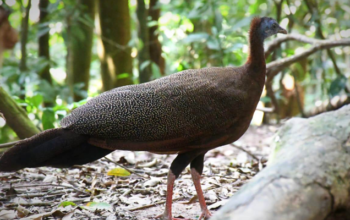
The wildlife of Gunung Leuser National Park is rare, exotic, and exceptionally diverse. Spotting wild animals is never guaranteed, but visitors may encounter:
- Wild orangutans
- Gibbons calling loudly across the forest canopy
- Thomas’s leaf monkeys
- Hornbills
- Monitor lizards and snakes
Seeing Sumatran tigers or rhinoceroses is extremely unlikely due to their critically low numbers, though tracks and signs have occasionally been reported.
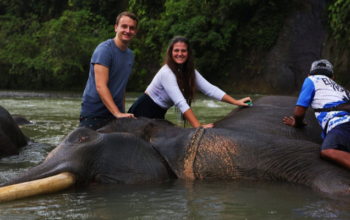
For wild elephants, travelers are advised to visit Tangkahan or trek deeper into the jungle near Ketambe, where sightings are more likely.
Why Visit Gunung Leuser National Park?
For European travelers seeking authentic nature, wildlife, and responsible tourism, Gunung Leuser National Park offers:
- One of the best orangutan experiences in the world
- Pristine rainforest landscapes
- Fewer crowds compared to other destinations
- Strong conservation and eco-tourism values
Even without guaranteed sightings, experiencing the rainforest itself—its sounds, scenery, and atmosphere—is unforgettable.

Maybe you are interested in reading the following article:
Samosir IslandLake Toba and Samosir Island – A Journey into the Heart of SumatraSamosir Island
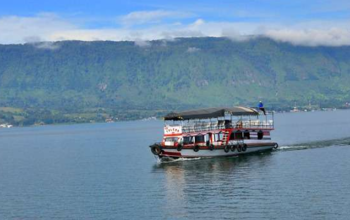
Lake Toba is one of Southeast Asia’s most spectacular natural wonders and a true highlight for travelers exploring Indonesia beyond Bali. Located in North Sumatra, this vast volcanic lake is home to Samosir Island, a cultural and scenic gem at its center. For European travelers seeking nature, culture, and authentic experiences, Lake Toba and Samosir... read more
Sigale-galeSigale-gale – The Traditional Batak Wooden Puppet of Lake TobaSigale-gale
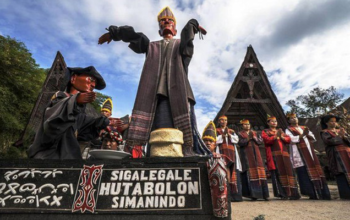
Sigale-gale is a famous traditional wooden puppet from the Toba Batak culture in North Sumatra, Indonesia. This unique cultural attraction can be found mainly on Samosir Island, Lake Toba, and is closely connected to Batak rituals, legends, and traditional ceremonies. For travelers visiting Lake Toba, the Sigale-gale performance is one of the most fascinatin... read more

ATM/Money InformationMoney and Paying in Bukit Lawang
Cash, Credit Cards, ATMs & Money Changers Understanding how to manage your money in Bukit Lawang will help you enjoy a smooth and stress-free trip. Below is important information about cash, credit cards, ATMs, and money changers in the area. 💵 Cash (Highly Recommended) Cash is still the most important and reliable payment method in... read more

7 Days Amazing Sumatra Rainfores...
Booking

Contact Us
If you have any questions, please contact us.
-
Hotline
+6281363815557 -
Whatsapp
+6281363815557 -
Email
orangutansumatrarainforest@gmail.com

